

THE SCALE OF THE PROBLEM
Human trafficking and exploitation do not happen in distant places. They exist in every country, in every community, and often affect people who do not realize they are at risk.
These systems thrive in silence. They isolate victims, strip people of freedom and dignity, and make rebuilding nearly impossible without support. Understanding the scale of exploitation is the first step toward preventing it.
Estimates vary across sources. The figures below reflect widely cited global and national data from recognized humanitarian and law enforcement organizations.
ABUSE
In the United States, a child is sexually abused every 9 minutes, based on substantiated reports to Child Protective Services.
TRAFFICKING
According to cumulative data from the National Human Trafficking Hotline, since its inception in 2007 the hotline has identified over 112,000 cases involving more than 218,000 victims in the United States.
Source: Polaris Project / National Human Trafficking Hotline
SLAVERY
On any given day, an estimated 49.6 million people are living in modern slavery globally.
Source: International Labour Organization and Walk Free, Global Estimates of Modern Slavery, 2022
POVERTY
Based on findings from the ILO’s 2024 report Profits and Poverty, forced labor alone generates an estimated $236 billion in illegal profits annually.
SURGE
The number of detected trafficking victims increased 25% globally in 2022 compared to 2019 pre-pandemic figures.
Source: United Nations Office on Drugs and Crime, Global Report on Trafficking in Persons, 2024
VIOLENCE
An average of 24 people per minute are victims of rape, physical violence, or stalking by an intimate partner in the United States, totaling more than 12 million women and men over the course of a single year.
DEPENDENCY
In 2024, approximately 1 in 4 Americans aged 12 or older reported illicit drug use in the past year, totaling 73.6 million people.
WHO IS MOST VULNERABLE?
Vulnerability is not random. It follows patterns. Children without stable homes, individuals living in poverty, people displaced by conflict, and those facing family instability are at heightened risk of trafficking and exploitation. Survivors of domestic violence face an elevated risk of homelessness, substance dependency, and further exploitation as they attempt to leave dangerous situations. People struggling with addiction are often targeted by those who use substances as a tool of control. Immigrants and refugees navigating unfamiliar systems without support networks face unique exposure to coercive environments. What connects all of these populations is that they have been failed by the systems meant to protect them, and they deserve more than survival. They deserve a real path forward.
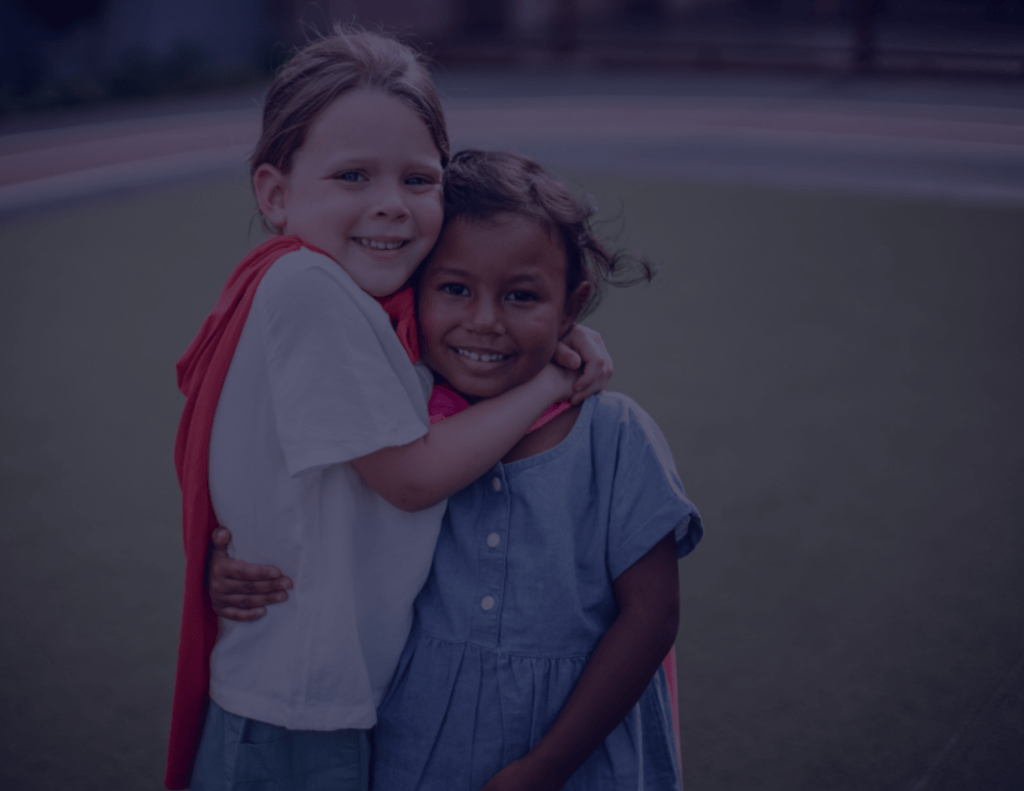
AWARENESS IS THE FIRST LINE OF DEFENSE
Exploitation does not begin with force. It begins with vulnerability. The more people understand the warning signs of trafficking and abuse, the harder it becomes for these systems to operate unchecked. Prevention is not only about intervention. It is about awareness, education, and access to real support. Building informed communities is one of the most effective ways to protect those at risk and support those rebuilding their lives.